Modern warfare is characterised by the widespread use of unmanned aerial vehicles and thermal imaging reconnaissance, which makes camouflaging equipment and positions extremely important. Most attacks are carried out from the air – quadcopters, FPV drones, and strike UAVs detect targets, adjust fire, and deliver strikes.
Analyses for 2024-2025 indicate that drones account for a significant proportion of equipment destruction in modern conflicts; some 2025 reviews estimate a 60-70% share of equipment damage in certain campaigns. This means that all methods of reducing detection (including thermal camouflage) have a high potential impact. Therefore, camouflaging equipment has become not a secondary task but a critical factor in preserving it on the battlefield.
What types of camouflage solutions are there?
Camouflage can be provisionally divided into several categories depending on the mission and threat level:
Visual camouflage
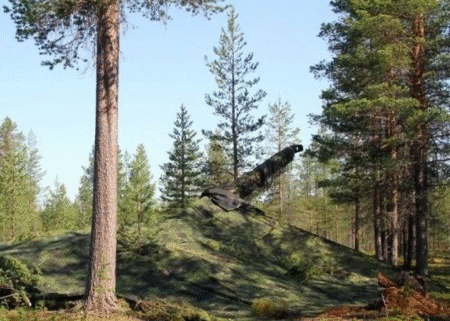
The use of nets, painting equipment to match the surrounding environment, and smoke screens. On the one hand, this is an inexpensive and simple method that, in many cases, conceals equipment and personnel from visual reconnaissance, surveillance cameras, and conventional optics. However, there are limitations: these measures are effective only in the optical spectrum and do not reduce the thermal signature, so they are ineffective against modern thermal imagers and night-vision devices.
Thermal camouflage
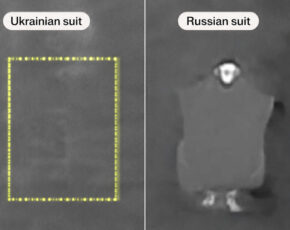
Traditional camouflage effectively conceals equipment visually, but leaves a thermal signature. In response, multispectral camouflage has been developed which aims to reduce the thermal signature: this can include covers or tents with thermal screens, special coatings for engines and exhaust pipes. Modern camouflage systems adapt to the environment: they scatter and reflect heat, partially imitating the surrounding environment. Thus, multispectral materials allow equipment to blend into the surrounding environment, which is critical for reducing detection by targeting UAVs.
Radar camouflage
Means of reducing the radar signature of equipment are used less frequently but are critical for concealment from radar reconnaissance and high-precision weapon.
Engineering shelters and stationary solutions
Earthen berms, dugouts, concrete shelters and modular structures provide protection not only from detection but also from direct hits. These structures withstand fire and blasts, offering physical protection for personnel and equipment. For example, modern manufacturers are developing steel modular shelters (bunkers) with reinforced armour that have undergone explosive protection testing. Modular shelters can be installed near command posts and warehouses, providing long-term protection.
How to choose the right camouflage?
The choice of camouflage depends on the conditions. Simple nets can effectively protect against contact kamikaze drones (by creating an obstacle for the contact detonator) and detection in visible light, but they do not reduce the thermal signature. At night or in cold conditions, the equipment becomes a noticeable ‘thermal spot’.
Climate and terrain dictate the color and type of material: in hot desert climates, the reflectivity of the covering is important so that it does not overheat in the sun, while in northern latitudes (winter/snow), the covering must blend seamlessly with the white background.
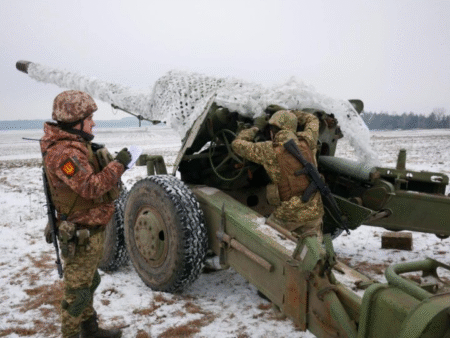
Camouflage effectiveness also depends on the mission type:
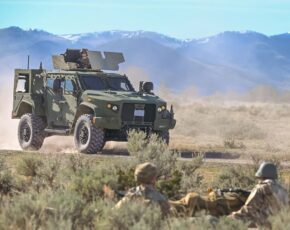
- For armored vehicles that are constantly on the move, it is important to have camouflage that is quick and easy to deploy – for example, special shelters that reduce heat radiation.
- For artillery and air defence, which often operate from prepared positions, it is advisable to combine engineering shelters with materials that reduce thermal radiation.
- For command posts and supply depots, the optimal solution is a combined shelter that incorporates visual, engineering, and thermal camouflage.
Properly selected camouflage for equipment can radically influence battlefield outcomes: reduce the risk of being hit by high-precision weapons, complicate the work of enemy drones, and provide the unit an advantage in time to manoeuvre or retreat.
Thermal Signature Equipment Shelter – a new standard in protection
Conventional camouflage nets and earthen berms no longer meet the demands of modern warfare. Today’s battlespace demands solutions specifically engineered to protect against technological detection systems. Thermal Signature Equipment Shelters with the Stealth technology were developed to meet this need, incorporating lessons learned from recent combat operations.
How does Stealth work?
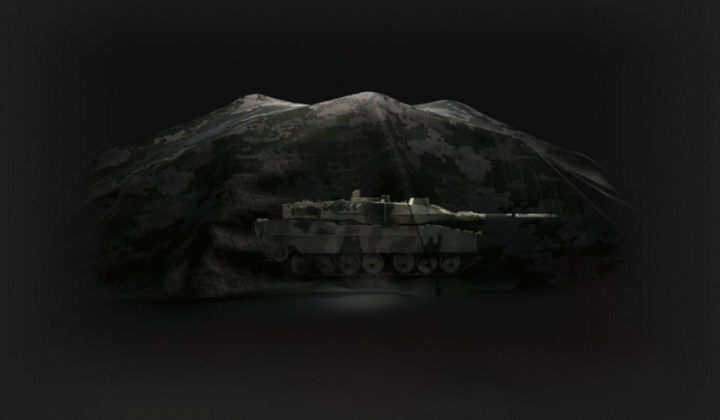
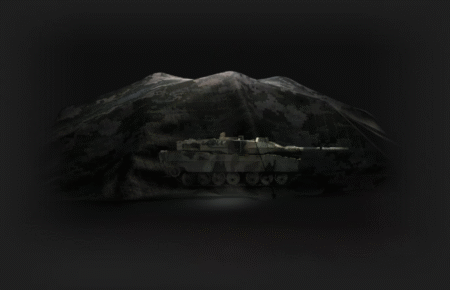
The ability to camouflage in the optical and infrared ranges has become a basic necessity for survival on the battlefield. Stealth technology offers multispectral solutions that conceal armoured vehicles, artillery or command posts from detection – both optical and thermal. For example, Stealth equipment covers can be deployed over tanks or self-propelled guns, reducing their visibility in the optical and IR spectra.
The technology is based on a material that combines unique physical properties:
- Reduced thermal radiation – the cover masks the thermal signature of the equipment, making detection with thermal imaging cameras more difficult.
- Wear resistance and lightweight design – the cover is quick to install and can withstand harsh field conditions.
- Compatibility with all camouflage patterns, printing methods and additional processing methods.
Together, these properties allow rapid concealment of a command post or vehicle. The use of Stealth technology reduces the risk of early detection: the Stealth cover adapts the thermal signature of equipment to the background of the surrounding environment.
Where are Thermal Signature Equipment Shelters used?
- Armored vehicle concealment: tanks, IFVs, APCs, and other vehicles can remain undetected by enemy UAS while parked or preparing for combat.
- Protection for artillery positions: since howitzers and MLRS have become primary targets for kamikaze drones, Thermal Signature Equipment Shelters significantly reduce the risk of detection.
- Command posts and communications centers: camouflaging not only vehicles but also critical control nodes preserves unit command-and-control capabilities.
- Stationary warehouses and repair sites: combining engineering fortifications with Stealth materials provides multi-layered protection – from visual reconnaissance to thermal-guided targeting.
Compliance with camouflage discipline requirements is a prerequisite for safety, and a modern army cannot rely solely on traditional camouflage methods. The enemy actively employs innovative detection technologies, making new camouflage solutions essential. Thermal Signature Equipment Shelters combine reliable camouflage, thermal protection, and versatility. They increase equipment safety, protect personnel, and provide a strategic advantage.