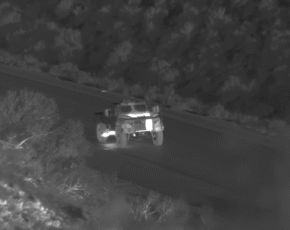
Until recently, the assessment of the thermal detectability of military equipment, personal gear, and camouflage systems focused primarily on material composition and surface temperature. The prevailing assumption was that a material with low emissivity or…

The U.S. Marine Corps has launched a procurement program for a new generation of personal camouflage systems – the Multispectral Camouflage Overgarment (MCO). The new system is intended to conceal personnel across multiple spectral bands…

Decisions by the U.S. military to pursue new generations of camouflage systems provide further confirmation of a global trend: traditional camouflage no longer provides an adequate level of protection on the modern battlefield. For this…
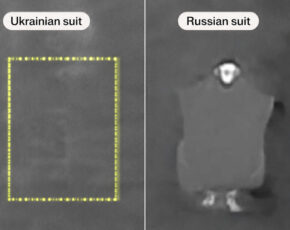
The emergence of thermal FPV drones and reconnaissance UAVs has fundamentally changed the rules of survival on the battlefield. Multispectral camouflage is no longer specialized equipment for selected units; it has become one of the…
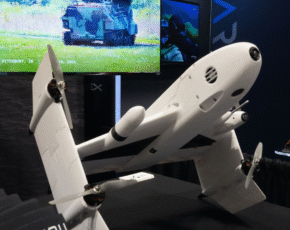
For decades, the effectiveness of camouflage was assessed primarily by its ability to hinder the visual detection of personnel and equipment by the enemy. However, the widespread adoption of UAVs, thermal imaging surveillance systems, and…
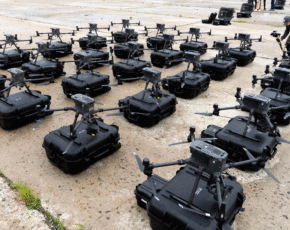
Just a few years ago, most military UAVs operated according to a relatively simple model: operator – camera – video transmission – strike or fire correction. Today, the situation has changed dramatically. A modern UAV…
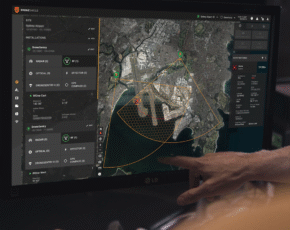
Just a few years ago, the primary threat to infantry came from UAV operators or reconnaissance crews physically spotting targets through optical devices or thermal imagers. Today, the situation is rapidly changing: AI-driven detection systems…
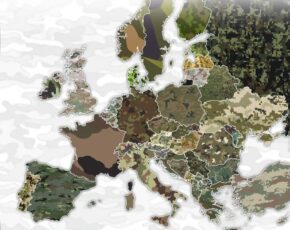
Camouflage no longer means reducing visibility. In the 21st century, it aims to control what the enemy sees, measures and interprets. Camouflage, thermal signatures, false targets, simulated activity and information influences have merged into a…

What you don't see can make all the difference.
Discover the advanced materials and technologies behind our solutions.
Contact us